
Nigeria and Ethiopia are creating new gas supply networks to provide adequate regional gas supply access as African continent continues to struggle with energy shortages.
The two countries in a determined efforts towards expanding energy accessibility recently launched a large-scale infrastructure initiative aimed at reshaping Africa’s energy access, industrial capacity and environmental trajectory, positioning rail transport as an alternative to cross-border gas pipelines.
The Gas-by-Rail Economic Corridor Initiative (GBR-ECI), unveiled in Addis Ababa, sets out plans for a continent-wide freight rail network designed to move liquefied natural gas (LNG) across Sub-Saharan Africa and reduce reliance on woodfuel.
The estimated cost of the initiative ranges from $500 billion to $1 trillion, placing it among the most ambitious infrastructure proposals ever advanced on the continent. Its promoters position it as a private-sector-led response to Africa’s chronic infrastructure financing gap, which development institutions estimate at between $68 billion and $100 billion annually.
By structuring the project around commercially viable energy and freight demand, the sponsors argue it can attract long-term capital while reducing pressure on public budgets.
Nigeria’s involvement reflects its role as Africa’s largest natural gas holder and a key supplier of LNG. Under the corridor model, gas produced in Nigeria and other producing states would be liquefied, densified and transported by rail to inland markets currently beyond the reach of pipelines or coastal import terminals.
Advocates say this flexibility could accelerate gas adoption in landlocked countries and regions affected by insecurity or weak infrastructure.
The initiative also aligns with broader continental policy goals, including the African Continental Free Trade Area (AfCFTA). By lowering energy and transport costs, the corridor is intended to support regional value chains and reduce the high cost of moving goods within Africa.
Project proponents estimate that the construction and operation of the network could generate more than 70 million jobs by 2050, spanning engineering, manufacturing, operations and ancillary services.
The project, promoted by Ethiopia’s Ministry of Transport and Logistics in partnership with Nigeria-based Insight Dynamic Resources, proposes a 73,500-kilometre rail system spanning 40 countries.
Project sponsors describe the network as a “virtual pipeline” that would transport densified LNG by rail, bypassing the political, security and engineering hurdles that have historically stalled transnational pipeline projects in Africa.
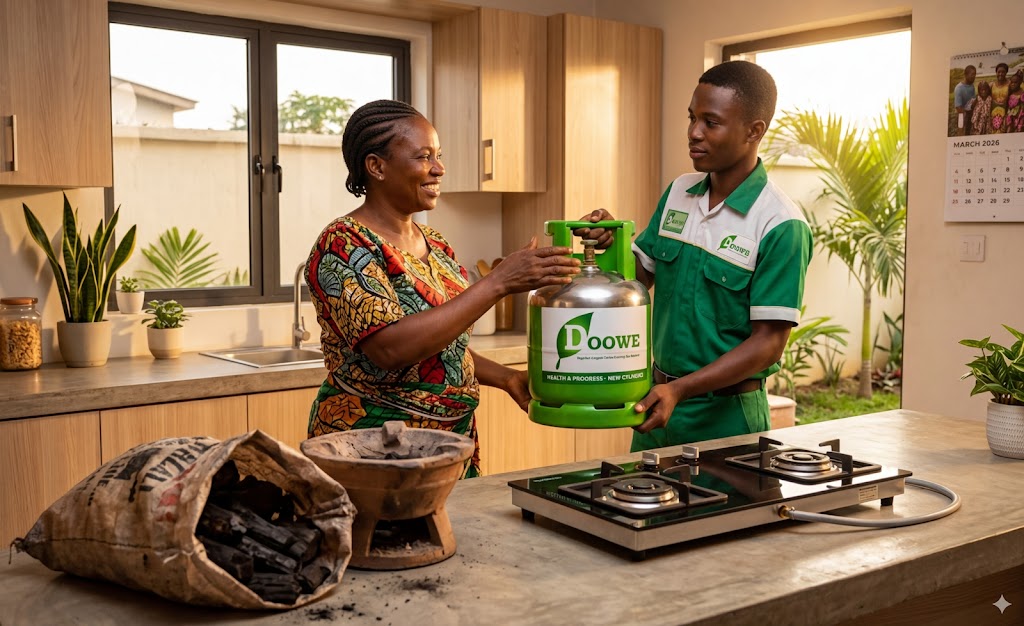
At its core, the initiative seeks to address Africa’s persistent energy deficit while confronting the environmental damage caused by widespread biomass use. An estimated 90 per cent of households in Sub-Saharan Africa still depend on firewood and charcoal for cooking and heating.
In several countries, consumption far exceeds forest regeneration rates, contributing to deforestation, land degradation and indoor air pollution linked to respiratory illnesses.
According to figures presented at the launch, annual woodfuel consumption exceeds sustainable supply by about 70 per cent in Sudan, 75 per cent in northern Nigeria and 150 per cent in Ethiopia.
Project backers argue that large-scale distribution of gas for household and industrial use could cut woodfuel consumption and associated greenhouse gas emissions by up to 75 per cent, easing pressure on forests while improving public health outcomes.
Beyond household energy, the GBR-ECI is framed as an industrialization platform. The corridor is projected to underpin economic activity valued at up to $29 trillion over several decades by providing reliable energy and transport infrastructure for manufacturing, mining and logistics.
Supporters say the scale of the proposal reflects the size of Africa’s unmet demand for power, transport and industrial inputs, rather than near-term spending commitments.
Ethiopia is expected to serve as a central anchor for the initiative through what planners describe as an “Ethio-Cluster” of energy and heavy industry. Under the proposal, the country would develop facilities for green hydrogen production, green iron processing and up to five million tones of green steel output annually by 2030.
A planned partnership with Germany’s SMS Group would support the local manufacture of rail tracks and components, reducing import dependence and supplying materials needed to expand the rail network itself.
The operational demands of the corridor are substantial. Project documents outline requirements for more than 5,100 heavy-haul locomotives, over 80,000 specialized LNG tank units and approximately 100,000 wagons and coaches.
Siemens Mobility is listed as a technology partner for signaling, monitoring and network optimization, with digital systems intended to manage traffic flows, maintenance and energy distribution across multiple countries.
Speaking at the launch, Ethiopia’s State Minister of Transport and Logistics, Bareo Hassen, said private investment would be critical to closing the country’s infrastructure gap. Ethiopia has designed roughly 5,000 kilometres of railway routes, but only 902 kilometres are currently operational. He said partnerships that combine energy supply with transport infrastructure could accelerate completion of stalled networks while supporting industrial growth.
While the scale and complexity of the Gas-by-Rail initiative present significant execution risks, its backers argue that Africa’s development challenges require equally large and integrated solutions.
By linking clean energy distribution, rail infrastructure and industrial production, the project aims to offer an alternative to continued dependence on biomass and fragmented national energy systems.
Doowe – Powering Innovation. Energizing Africa.
 DooweGas is on a mission to ignite the future of energy, and we want YOU to be a part of it! Our YouTube channel is the place for in-depth analysis, expert interviews, and the latest breakthroughs for professionals, investors, and policymakers in the energy sector.
Why Subscribe NOW?
Exclusive Content: Get cutting-edge insights you won’t find anywhere else.
Expert Analysis: Understand the “why” and “how” behind the biggest energy stories.
Community: Join a growing network of passionate energy professionals.
Be a Pioneer: Help us build the ultimate resource for African energy intelligence!
 Discover innovative LPG solutions
Learn how we’re powering homes & businesses sustainably
Connect directly with our team
 Don’t miss this chance to experience the future of energy with Doowe Gas!
 Limited-Time Exclusive Offer for Our Next 900 Subscribers!
To celebrate our journey to 1000, the next 900 people who subscribe to our channel will receive an exclusive, in-depth access to our research from DooweGas on “The Future of LPG in West Africa: Opportunities & Challenges,” absolutely FREE! This is invaluable for anyone in the energy space.
Join The DooweGas Mentorship Access
With the just-concluded COP30 — the global climate conference where world leaders, financial institutions, and policymakers set new directions for sustainability, carbon markets, and future business regulations — it has become important for individuals and organisations to understand what these decisions mean and how they will affect opportunities going forward.
Engr. Dr James Atiti will be sharing the full insights, recordings, and key materials inside the Doowe Mentorship Platform for anyone who wants to stay ahead and position themselves for the new wave of ESG and climate-related opportunities.
If you’re interested in accessing this information, kindly signify to be added. The annual subscription is ₦50,000.
This knowledge matters because COP30 decisions will influence:
New ESG and sustainability requirements
Access to funding, grants, and climate finance
Business compliance and competitive advantage
You Will Also Get:
Business insights from seasoned operators
Live Monthly Sessions: With industry leaders and DooweGas experts
Sales Strategies: Learn how to scale bulk sales, B2B, and cylinder tracking
Business Support: Ask questions, get feedback, and learn from real gaspreneurs
Group Referrals: Connect with reliable vendors, customers, and suppliers
Private Group Access: 24/7 interaction and guidance from mentors and alumni
How To Join And Take Advantage Of This Opportunity
Chat up this WhatsApp number : +353 89 951 6491 to join and be a part of this energy journey.
Join the conversation. Get informed. Get empowered. Subscribe today!
 Click here to subscribe and claim your FREE access: https://www.youtube.com/@doowegas/
Source: https://orientalnewsng.com/
 New Podcast Release!
Decarbonizing the Seas: LPG & LNG as Clean Maritime Fuels | Doowe Podcast ft. Temisan Omatseye
If you’re passionate about the future of sustainable maritime transport, this is a conversation you don’t want to miss. In our latest Doowe Podcast episode, maritime expert Temisan Omatseye breaks down how LPG and LNG are shaping the next era of cleaner, safer, and more efficient global shipping.
 From cutting-edge fuel technology to long-term decarbonization strategies, this episode is packed with insights for industry leaders, innovators, policymakers, and anyone curious about the future of the blue economy.
Watch now on YouTube:
Dive in, learn something new, and join the movement toward a cleaner maritime future. Let’s decarbonize the seas—together.