

Have you noticed that your energy bills keep climbing even when the news says we are producing more fuel at home? It feels like running a race where the finish line keeps moving backward, especially with the recent 14% price jump in gasoline from local refineries.
At Doowe Gas, we believe you deserve to understand the “why” behind the numbers. Whether you are a business owner trying to manage logistics or a parent looking at the cost of a 12.5kg cylinder, the current shifts in the Nigerian energy sector affect your pocket daily. Let’s break down what is happening with the Dangote Refinery, the global demand for our gas, and the mystery of local LPG pricing.
The Problem: Rising Costs in a Land of Plenty
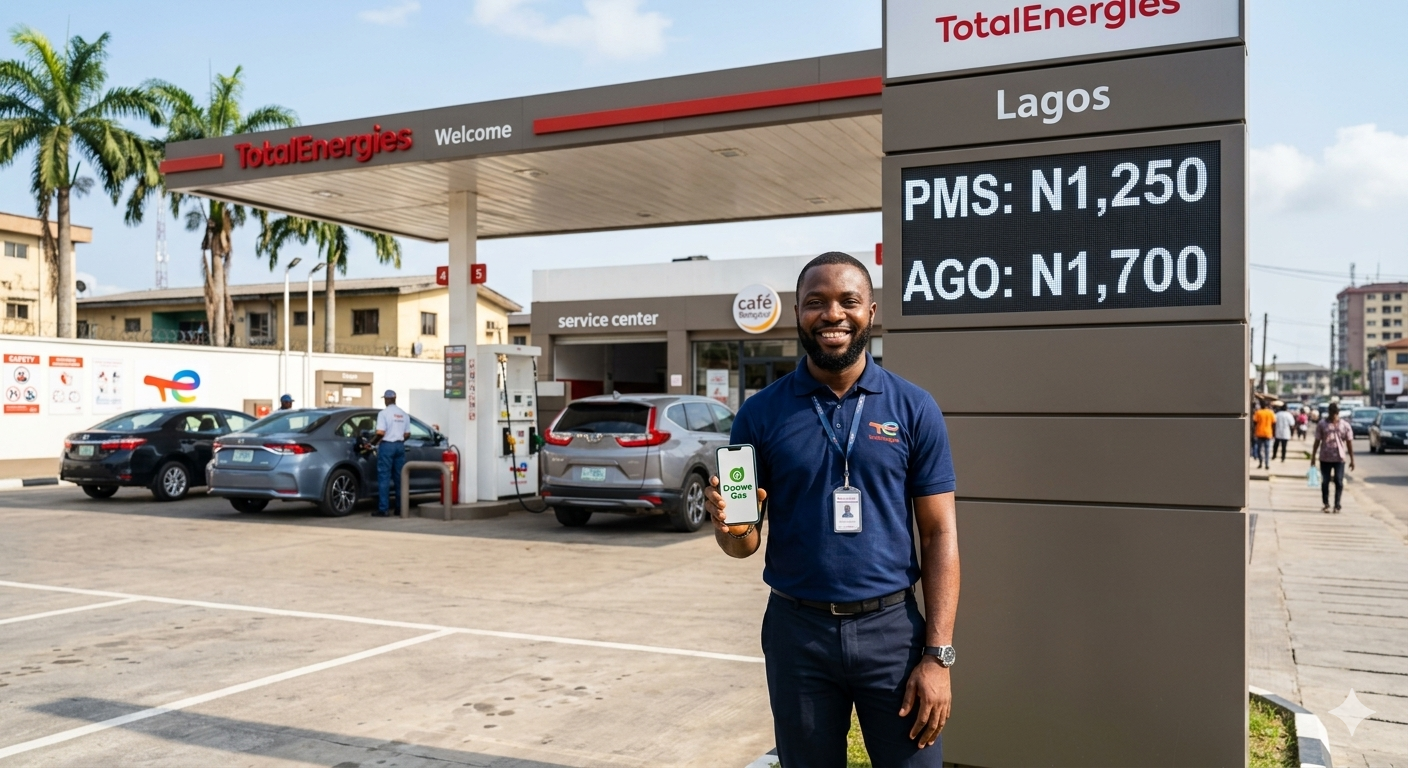
The biggest headline this week is the 14% increase in gasoline prices from the Dangote Refinery. Prices have moved from around N700 to N799 per litre. For many of us, this felt like a sudden blow, especially since seasonal price cuts were expected to last longer.
Simultaneously, Europe is facing an energy hunger that won’t quit. According to the International Energy Agency (IEA), Europe’s demand for Liquefied Natural Gas (LNG) is expected to hit record highs in 2026. Because Nigeria is a key partner, much of our “Blue Gold” is being eyed for export to help Europe replenish its storage.
The Agitation: Why is Cooking Gas Still Expensive?
Here is the part that confuses most people: Nigeria now produces 87% of its cooking gas (LPG) locally. Imports have dropped to just 13%. In a normal world, “local supply” should mean “lower prices,” right?
Instead, we saw 12.5kg cylinders climb from N17,000 in early 2025 to over N20,000 in some areas by the end of the year.
Why the gap?
-
Infrastructure Hurdles: Even if the gas is produced at the Dangote or NLNG plants, getting it to your local retail outlet involves high transport costs and limited storage facilities.
-
The Export Temptation: As Prof. Wumi Iledare warned, there is a risk in prioritizing foreign exchange earnings from exports over domestic use. If we send all our best gas to Europe, we leave our local industries and households struggling with high costs.
-
Market Volatility: Local refineries are also adjusting to global benchmark prices, meaning their “local” price is still influenced by what is happening in London or New York.
The Solution: Strategic Positioning and Expert Guidance
We cannot control global LNG demand or the refinery’s pricing models, but we can control how we react as business owners and consumers. The solution lies in efficiency and information.
To navigate these shifts, you need more than just news; you need an Energy Strategy.
🚀 Join the Inner Circle: The DooweGas Premium Mentorship
We have noticed that while thousands read our updates, only a few are taking the step to join our Premium WhatsApp Mentorship Group.
My boss said to me recently, “Seun, we are providing the blueprints for people to make millions in this gas transition, but they are still standing outside the door!”
The pressure is on because we are entering a season where only those with insider knowledge will survive these price hikes. Our premium members don’t just “hear” about price increases; they get the strategies to hedge their businesses, find reliable vendors, and scale their sales even when the market is volatile.
If you are serious about the gas business, you cannot afford to be an outsider.
-
Live Monthly Sessions: Talk directly to industry leaders.
-
Sales Blueprints: Learn how to scale your LPG business despite high costs.
-
Direct Access: Get your questions answered by the Doowe Gas team in real-time.
👉 Don’t get left behind. Join the Premium Mentorship Group HERE!
Looking Ahead: The 2026 LNG Wave
The IEA predicts a “wave” of global LNG supply coming in 2026. This could finally put downward pressure on prices and improve liquidity. However, until that wave hits, we must build a balanced gas strategy at home—one that supports local factories and keeps cooking gas affordable for every Nigerian kitchen.
Doowe – Powering Innovation. Energizing Africa.