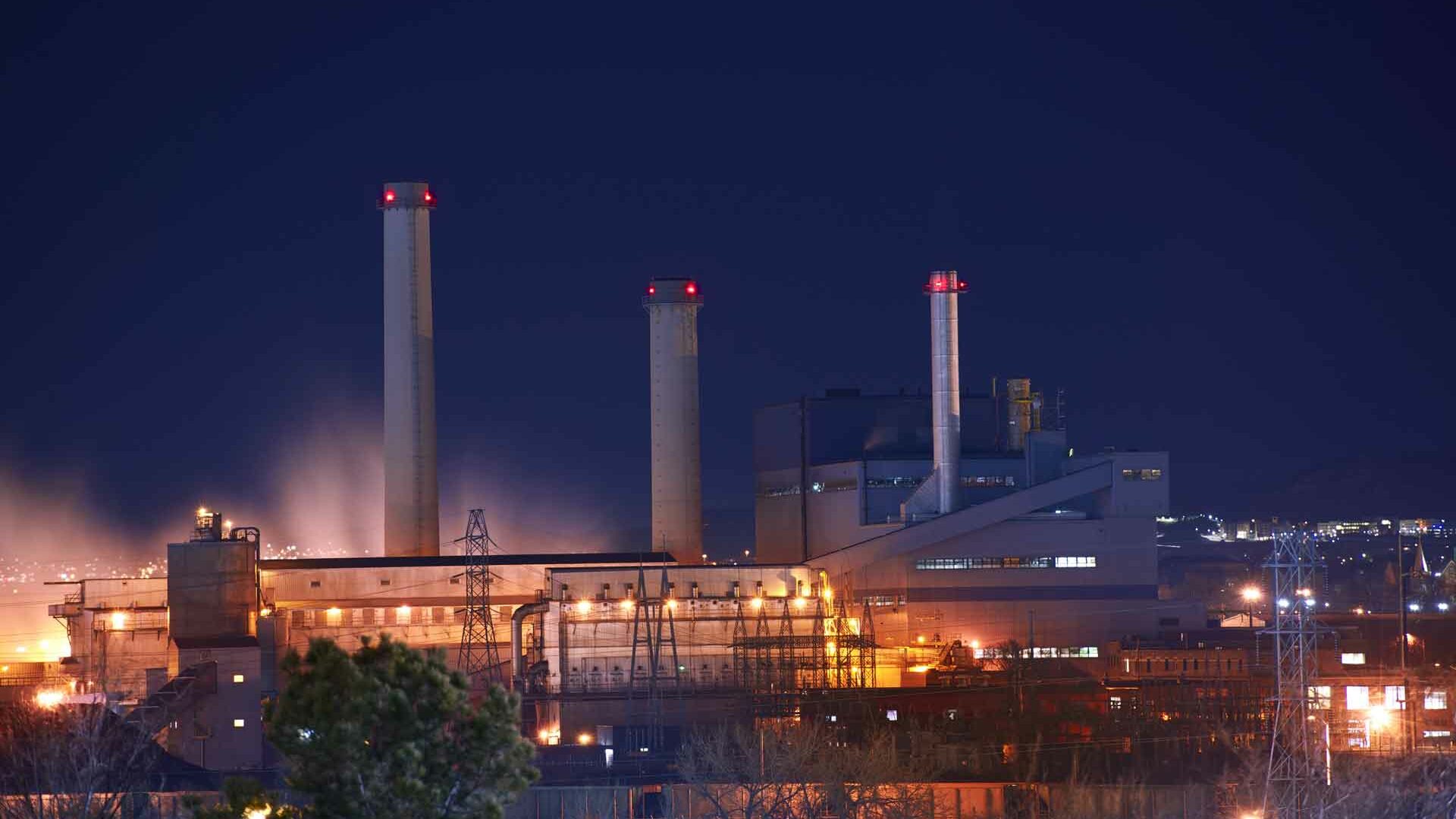


Are you tired of hearing about Nigeria’s “energy potential” without seeing real progress in your daily life or business? The tide is finally turning as we move from importing energy solutions to building them right here on Nigerian soil.
In this update, we’re breaking down the massive shifts in our gas sector—from groundbreaking partnerships in China to the restoration of our most critical power veins—and what these mean for your pocket and our planet.
The Infrastructure Gap: Why High Fuel Costs Persist in Nigeria
For years, the “Problem” has been clear: Nigeria is a gas giant that behaves like a dwarf. We have the reserves, but we’ve lacked the local “Solution” to deliver it. Relying on imported CNG dispensers and refueling equipment has kept costs high and progress slow.
Agitation: The High Price of Dependence
When every CNG station component has to cross an ocean, the transition to cleaner, cheaper fuel feels like a luxury we can’t afford. It’s not just about the money; it’s about the lack of real-time data and safety monitoring that keeps our roads and operators at risk.
The Solution: Building a “Made in Nigeria” Energy Ecosystem
We have some incredible news. The Presidential Initiative on Compressed Natural Gas (PICNG) has officially signed a landmark Memorandum of Understanding (MoU) with the Chinese firm, You Jie Te Environment Technology Ltd (YJT).
What does this mean for you?
-
Local Manufacturing: We aren’t just buying CNG dispensers and EV charging stations anymore; we are going to manufacture and assemble them locally.
-
Smart Monitoring (IoT): By integrating YJT’s Internet of Things (IoT) technology, Nigeria will have a National Gas Vehicle Monitoring System. This means real-time oversight of refueling equipment and safety compliance nationwide.
-
Job Creation: This isn’t just about gas; it’s about the skills transfer and technician jobs that stay right here in Nigeria.
Restoring the Veins of the Nation: The Escravos–Lagos Pipeline Update
If you noticed a dip in industrial power or gas supply in early December, you weren’t alone. A critical section of the Escravos–Lagos Pipeline System (ELP) in Warri suffered an explosion on December 10, 2025.
We know how much this hurts. This pipeline is the primary artery shipping gas to power plants and industrial users across Southwestern Nigeria.
The Good News: NNPCL acted with impressive speed. After three weeks of tireless work, the damaged section has been pressure-tested, repaired, and is now fully operational. This restoration reaffirms our commitment to energy security and ensures that our industrial engines keep humming.
Turning Waste into Wealth: Ending the Flaring Nightmare
Gas flaring isn’t just an environmental tragedy; it’s literal money burning in the sky. In 2024, Nigeria saw a 12% jump in flaring—the second largest increase globally.
We are finally fighting back. NNPCL and Heirs Energies have signed a strategic deal to capture flared gas at the OML 17 joint venture near Port Harcourt. Instead of polluting the air, this gas will now be processed into:
-
LPG for your kitchens.
-
CNG for your cars.
-
Power generation for your businesses.
Stay Ahead of the Curve with Doowe Gas
The energy sector is moving faster than ever. Between the decisions made at COP30 and the new wave of ESG (Environmental, Social, and Governance) funding, the opportunities are massive—if you know where to look.
How to Join the Movement:
-
The Doowe Mentorship Platform: Position yourself for climate-related funding and grants. For an annual subscription of ₦50,000, you get direct access to Engr. Dr. James Atiti and a community of “gaspreneurs.” [Chat us on WhatsApp to join: +353 89 951 6491].
-
Free Research Report: To celebrate our journey to 1,000 subscribers, the next 900 people to join our YouTube channel will receive our exclusive research: “The Future of LPG in West Africa: Opportunities & Challenges”—absolutely free.
Click here to subscribe to our YouTube channel and claim your free access!
Source: orientalnewsng.com